Autumn is a lovely time of the year to enjoy with our pets. Cooler walks, crunchy leaves and cosy evenings at home are all part of the season. However, autumn also brings a few hazards that pet owners need to be aware of.
From conkers and mushrooms on woodland walks to darker evenings, Halloween treats and the start of firework season, a little preparation can help keep your pet safe while you enjoy everything autumn has to offer.
Watch out for conkers and acorns
Conkers and acorns are a familiar sight during autumn, and curious dogs may be tempted to pick them up, chew them or even swallow them.
Conkers can cause gastrointestinal problems if eaten and may also result in an intestinal blockage, particularly if swallowed whole. Acorns can also cause vomiting, diarrhoea and abdominal discomfort, as well as presenting a potential obstruction risk.
Try not to encourage your dog to play with conkers or acorns, even as a substitute for a ball. Teaching a reliable “leave” or “drop” command can also be particularly useful for dogs who like to investigate everything they find on their walks.
If you think your pet has swallowed a conker or acorn, contact us for advice.
Mushrooms and autumn plants
Damp autumn weather creates perfect conditions for mushrooms and fungi to appear in gardens, parks and woodland.
While many fungi are harmless, some can be extremely toxic to pets, and identifying different species can be very difficult. The safest approach is therefore to prevent your pet from eating any wild mushrooms or toadstools.
There are some plants to be mindful of during autumn too, including autumn crocus,
yew, and some berries.
Keep an eye on what your dog is sniffing or eating while exploring outside, particularly if they are known for scavenging. It is also worth regularly checking your own garden for unfamiliar fungi, berries and fallen plant material.
Take extra care on darker walks
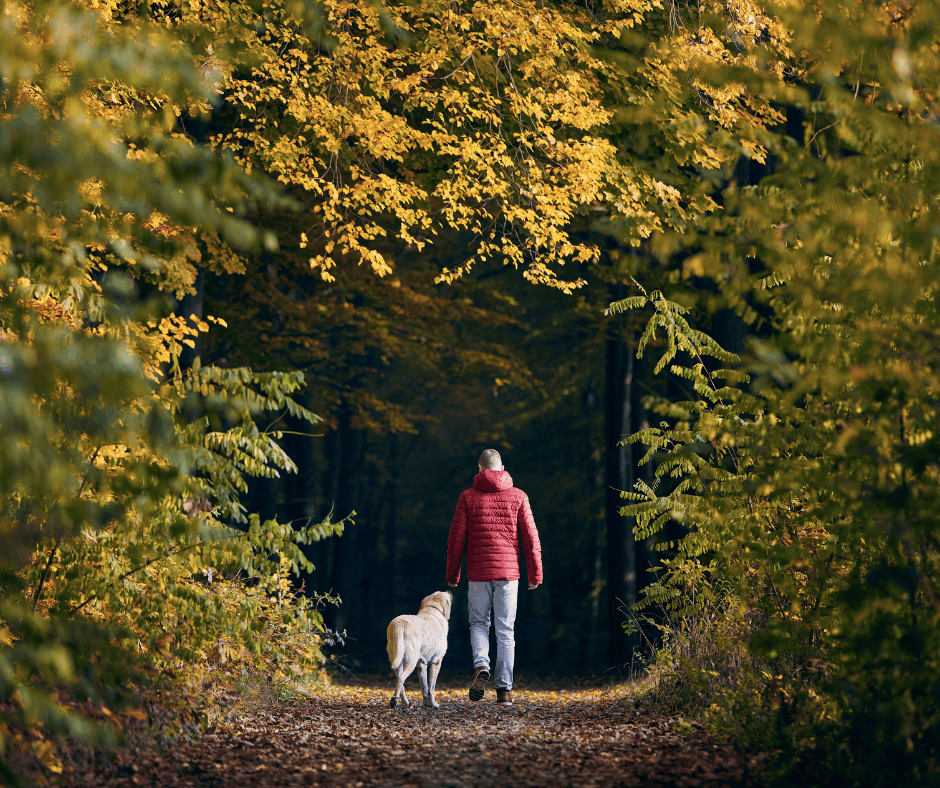
As the evenings draw in, your regular afternoon or evening dog walk can quickly become much darker than it was only a few weeks earlier.
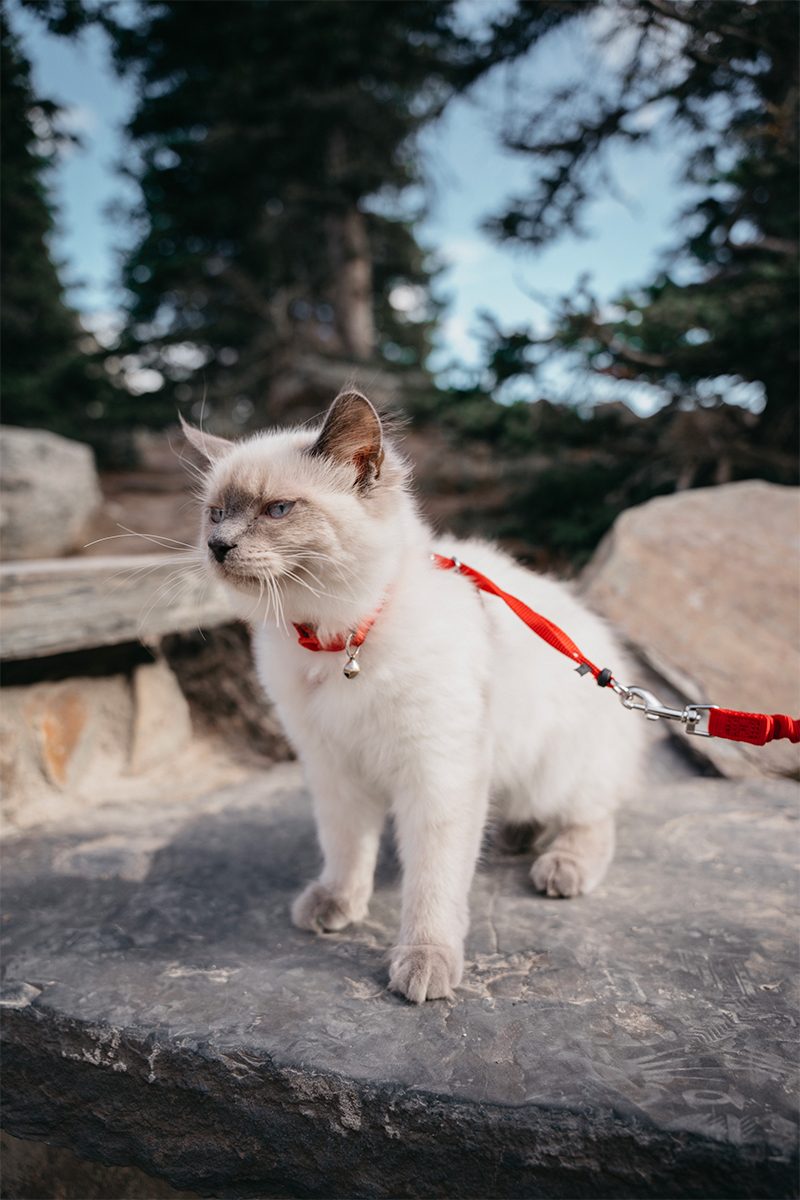
Reflective or light-up collars, leads and harnesses can help make your dog easier to see, particularly near roads. Carrying a torch can also help you spot obstacles and potentially dangerous objects hidden amongst fallen leaves.
Cats may also face increased risks from road traffic during darker periods. Where possible, consider encouraging your cat to stay indoors overnight, particularly if you live near a busy road.
And don’t forget to check that your pet’s microchip details are up to date. If your pet becomes lost at any time of the year, having the correct contact information registered to their microchip can make it much easier to reunite you.
Keep Halloween treats away from pets
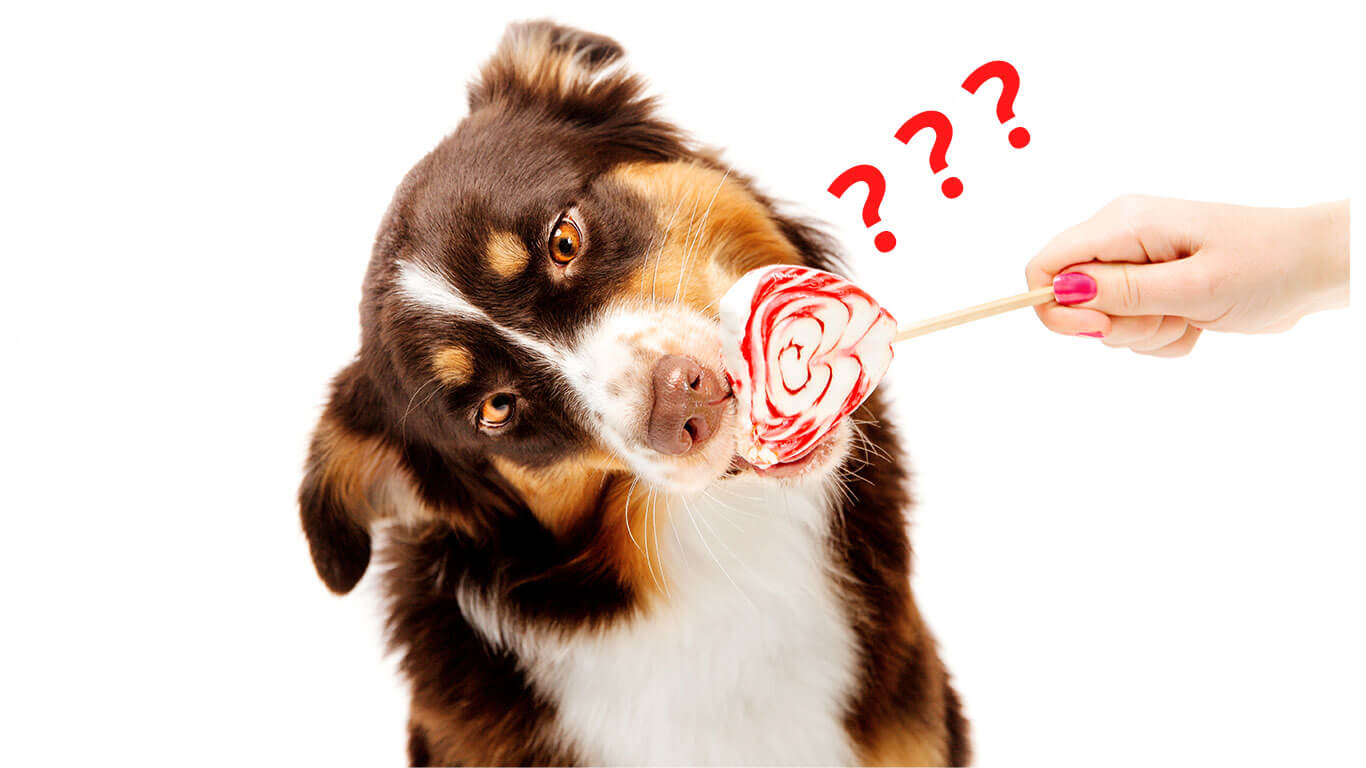
Halloween means there may suddenly be a lot more chocolate and sweets around the house, none of which should find their way into your pet’s paws.
Chocolate is toxic to dogs and cats, with darker chocolate generally containing higher levels of theobromine, the substance responsible for chocolate poisoning.
Some sugar-free sweets, chewing gums and baked products may also contain xylitol, an artificial sweetener which is extremely dangerous to dogs; as can raisins, currants and sultanas (often found in cakes, biscuits and cookies).
Keep Halloween treats in closed cupboards or containers rather than leaving them within your pet’s reach. Remember that determined pets can be surprisingly good at finding food, so think twice before leaving trick-or-treat sweets on a low table or by the front door.
If your pet does manage to eat something they shouldn’t, contact us promptly and tell us what was eaten, approximately how much and when.
We also have services on our website such as a poisons guide, and access to Vidivet when we are closed, where a trained veterinary professional can provide advice on poisons and recommended veterinary care.
Make Halloween less frightening
Food isn’t the only Halloween hazard.
Costumes, excited children, repeated knocks on the door and unfamiliar people arriving at the house can all be confusing or frightening for pets.
If your pet is nervous around visitors, create a quiet, comfortable area away from the front door where they can relax. Close the curtains, provide their favourite bed or blanket and give them somewhere they can retreat to without being disturbed.
It may also be sensible to walk your dog before trick-or-treating starts and encourage outdoor cats to come home earlier than usual.
Halloween costumes for pets might look fun to us, but not every pet enjoys wearing them. Clothing can restrict normal movement, communication and behaviour, so your pet’s comfort should always come first. Always remove any costume if you notice your pet is showing signs of being uncomfortable.
Decorations can cause problems too. Cats in particular may be attracted to hanging or moving decorations, which could cause injury or an intestinal blockage if swallowed. Candles inside pumpkins should also be kept well away from pets, or maybe you could consider using battery-operated candles instead.
Prepare for firework season
Halloween also signals that Bonfire Night is approaching.
For pets that are frightened by fireworks, preparing before the first loud bangs begin can make a big difference. Create a comfortable hiding place, close curtains to reduce flashes, and use background music or television to help mask outside noise.
If your pet has previously shown significant fear or anxiety around fireworks, speak to us before firework season is in full swing. We can discuss suitable strategies and, where appropriate, additional behavioural or medical support to help your pet cope.
Enjoy autumn safely
Autumn brings plenty of opportunities to spend quality time with our pets, and being aware of the seasonal risks doesn’t mean you need to avoid those muddy walks or cosy Halloween evenings.
A few simple precautions, such as watching what your pet picks up, keeping harmful foods out of reach, preparing for darker walks and giving nervous pets somewhere safe to retreat, can help make autumn a safer and more enjoyable season.
If you are concerned that your pet has eaten something potentially toxic, swallowed a foreign object or is showing unusual symptoms, please contact our team for advice. When poisoning is suspected, it is always better to seek veterinary advice quickly rather than waiting for symptoms to develop