Pets are naturally curious, and sometimes that curiosity leads them to lick, chew or swallow something they should not. From dropped food in the kitchen to garden plants, medicines, cleaning products and pest treatments, potential pet poisons can be found in many everyday places.
Quick action can make a big difference. Knowing what to look out for, what information to gather and who to contact can help you stay calm and get your pet the right support as soon as possible.
Common poisoning risks for pets
Many poisoning worries happen at home, often when a pet finds something left within reach. Some of the most common risks include:
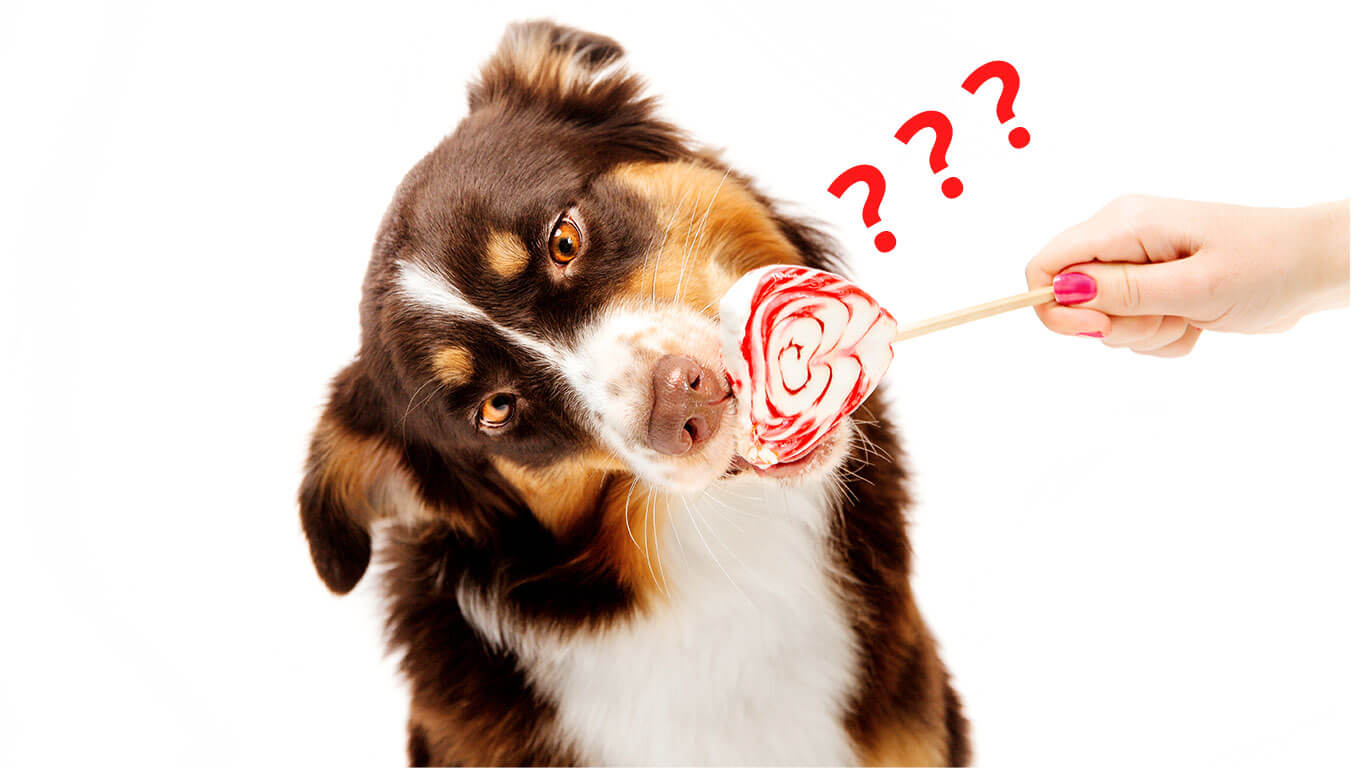
- Human foods such as chocolate, grapes, raisins, onions, garlic, alcohol, caffeine and xylitol, which is found in some sugar-free products.
- Human medicines, including painkillers, antidepressants and cold or flu remedies.
- Veterinary medicines given at the wrong dose or to the wrong species.
- Household products such as bleach, disinfectants, laundry capsules and essential oils.
- Garden products, including slug pellets (especially old, out of date ones), weed killers,
compost additives and fertilisers. - Plants and flowers, such as lilies for cats.
- Rodent poisons and insecticides.
Some substances cause problems very quickly, while others may take hours or even days to show signs. This is why it is always best to ask for advice as soon as you realise your pet may have eaten, licked or inhaled something concerning.
You can also consult the Happy Tails Vets poisons guide here.
Signs your pet may have been poisoned
Symptoms can vary depending on what your pet has been exposed to, how much they have had and their size, age and general health. Possible signs include:
- Vomiting or diarrhoea
- Drooling or foaming at the mouth
- Shaking, twitching or seizures
- Weakness, wobbliness or collapse
- Difficulty breathing
- Pale, blue or very red gums
- Unusual tiredness or agitation
- Loss of appetite
- Burns or irritation around the mouth, paws or skin
- Bleeding and bruising, especially around the gums
- Changes in drinking or urination.
Some pets may seem completely normal at first, even after swallowing something dangerous. Please do not wait for symptoms to appear before asking for help. Early advice gives your pet the best chance of a smooth recovery.
What to do if you think your pet has been poisoned
First, move your pet away from the substance so they cannot eat or lick any more of it. If it is safe to do so, keep the packaging, label or plant sample, as this can help the veterinary team identify the risk quickly. Try to note:
- What your pet may have eaten or touched
- How much they may have had
- When it happened
- Your pet’s weight
- Any symptoms you have noticed.
Do not try to make your pet sick unless a vet specifically tells you to. Some substances can cause more damage if they are brought back up, especially corrosive chemicals or sharp items. It is also best not to give home remedies, food, milk or water unless you have been advised to do so by a veterinary professional.
Once you have all the information you can gather, contact us promptly. Even if you are unsure
whether the item is toxic, it is always safer to check.
Using VidiVet for poison worries
Our clients have access to VidiVet, a virtual vet service that connects you with qualified vets 24 hours a day, 7 days a week. It can be especially helpful when you are unsure whether something your pet has eaten is an emergency, or if they can wait for an appointment.
With VidiVet, you can ask a question from home, share photos or videos and receive personalised advice straight to your phone.
You can find out more on our VidiVet page here.
If your pet is already showing serious symptoms such as collapse, seizures, breathing difficulty or severe weakness, please contact us immediately rather than waiting for an online reply.
Prevention: small changes that help keep pets safe
A few simple habits can reduce the risk of poisoning at home:
- Keep medicines, cleaning products and garden chemicals in secure cupboards
- Check whether plants and flowers are pet-safe before bringing them home
- Keep bins closed and food waste away from pets
- Never give pets any human medication unless advised by a vet
- Use flea, worming and parasite products exactly as directed (and NEVER on a different animal than they’re prescribed or intended for!)
- Keep pets away from treated lawns, slug pellets and pest control products.
If your pet is especially food motivated, it can help to make visitors aware, too. Well-meaning guests may not realise that certain foods are unsafe for dogs and cats.
We are here to help
We know how frightening it can be when your pet has eaten something they should not. Our team is here to support you with clear advice, calm guidance and the care your pet needs.
For poison worries, use our poisons guide, contact the team on 01424 863231or access VidiVet for 24/7 online advice if you are a registered client.